
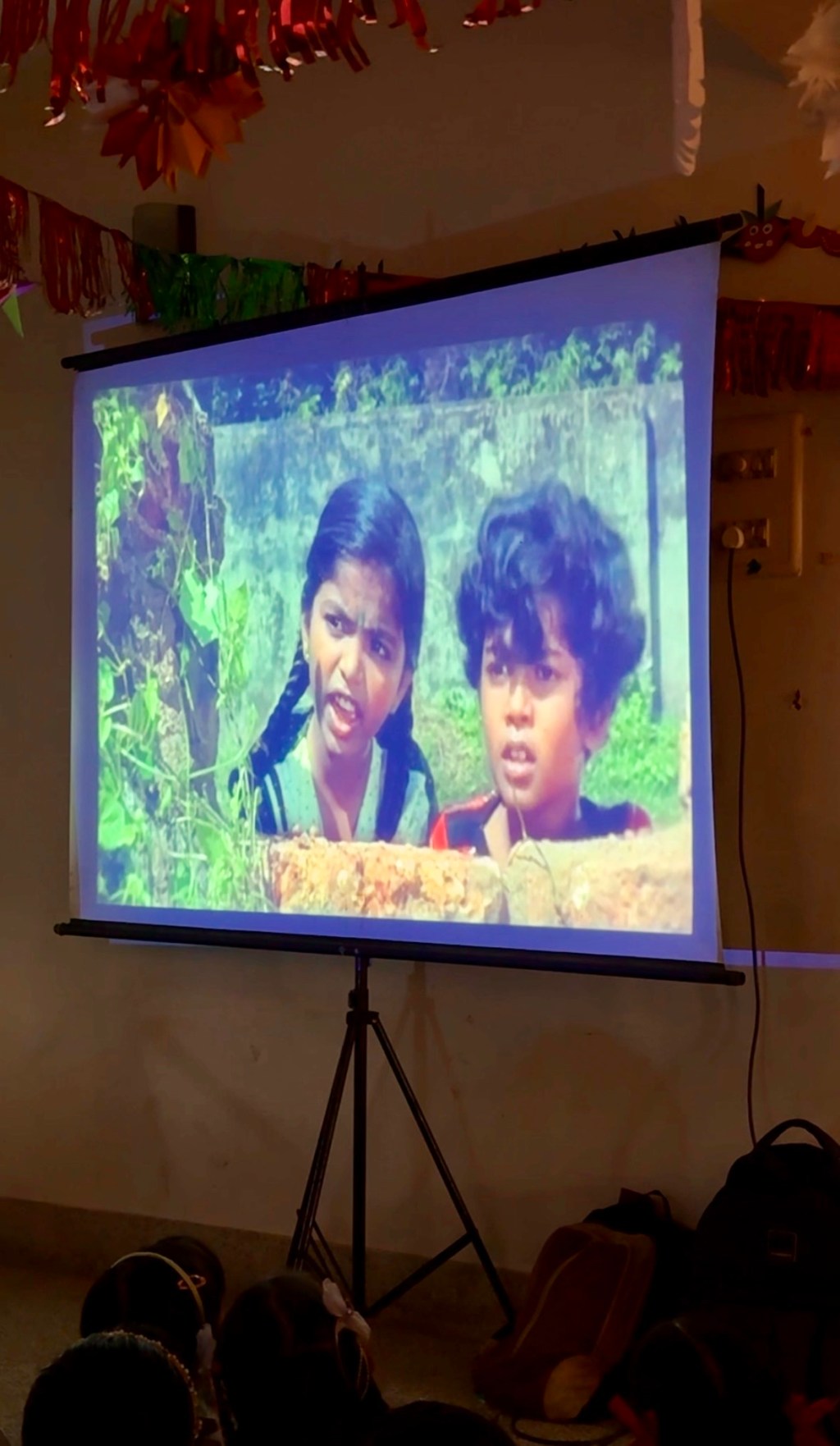
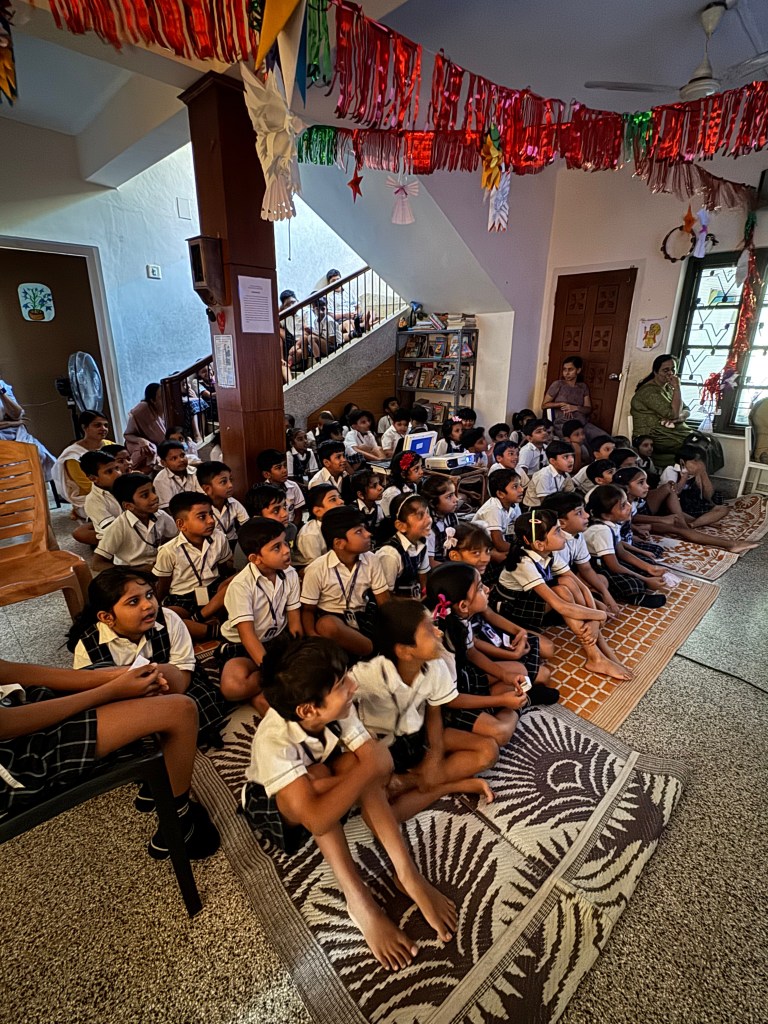
13 February 2026 — Every year, Tyros School hosts Tyros Talkies, a thoughtfully curated movie screening event designed not just for entertainment but for reflection and discovery. The films selected aim to nurture values, encourage independent thinking, and spark conversations. For its second edition in February 2026, Tyros Talkies featured two delightful films: My Dear Kuttichathan and Stuart Little.
A Landmark in Indian Cinema: My Dear Kuttichathan
Released in 1984, the film holds the historic distinction of being India’s first 3D movie, originally produced in Malayalam. At a time when technological resources in Indian cinema were limited, the creators achieved something extraordinary.
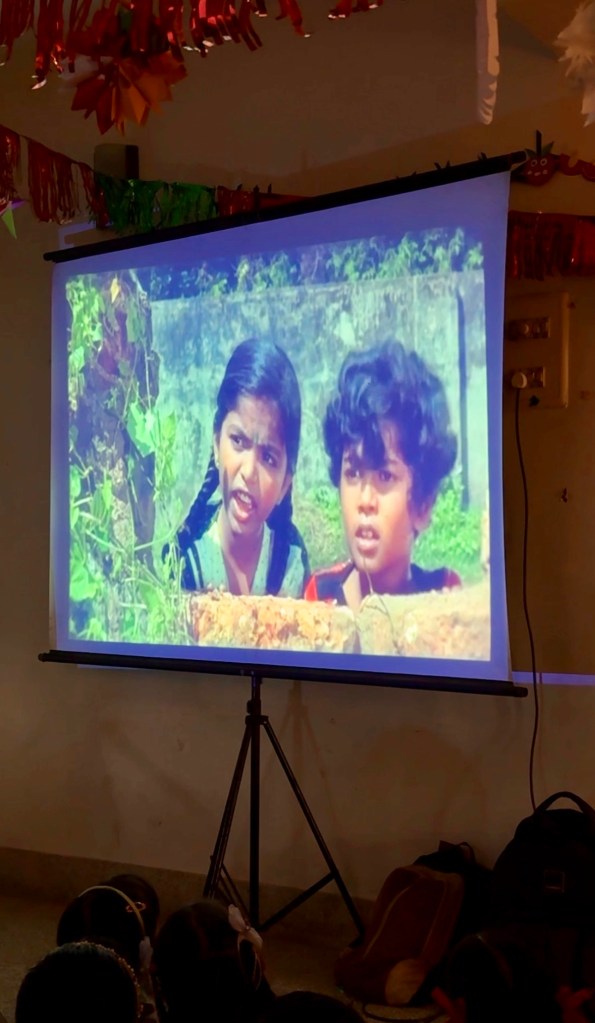
The film’s production brought together technicians and artists from across the country. The stereoscopic 3D technology required precise camera alignment and careful scene staging so that objects would appear to leap out toward the audience—something that thrilled viewers then and still delights audiences today.
Beyond the technology, the art direction and practical set design were remarkable for their time. One particularly memorable example is the rotating octagonal room, an ingeniously engineered set used to create the illusion of gravity-defying movement.
Beneath the playful surface of the film lies an important narrative tension. Kuttichathan is not truly free; he is bound by spells and control. Adults in the story attempt to exploit his powers for their own gain, representing greed and misuse of power. The children, on the other hand, treat him with kindness and empathy. This contrast highlights a core theme of the film: the difference between controlling power and respecting friendship.
This combination of folklore, fantasy, humour, and moral clarity is what makes My Dear Kuttichathan so memorable. For students watching it today, the film offered two joys at once: the delight of fantasy and a glimpse into the ingenuity of earlier filmmakers who relied on creativity rather than computers.
Why Everyone Roots for Stuart Little
Stuart Little wins hearts through its emotional warmth. The story follows Stuart, a tiny mouse adopted into a human family, who navigates a world that constantly reminds him he is different. What makes the film powerful is its ability to make audiences instantly root for the underdog.
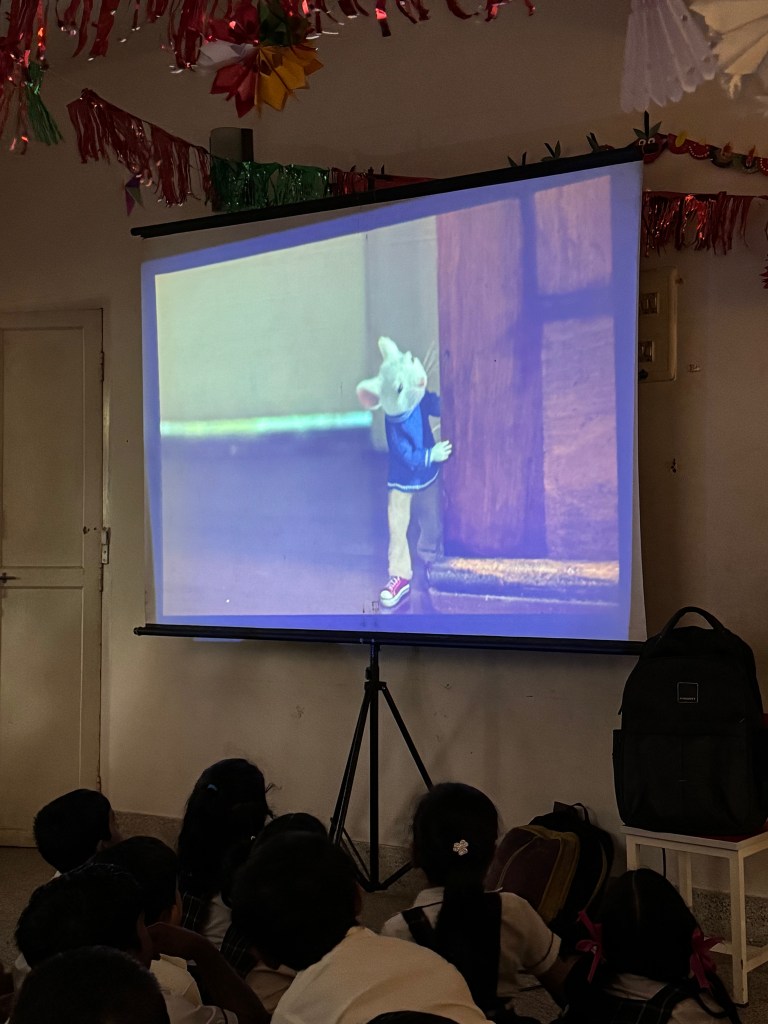
In real life, mice and rats are creatures many people instinctively dislike or fear. Yet the film gently overturns this bias. Stuart is kind, brave, and determined, and his struggles mirror the feelings many children experience—wanting to belong, trying to prove themselves, and hoping to be accepted for who they are.
Despite his size, he races toy boats, drives tiny cars, and faces challenges with optimism. His journey reminds viewers that strength is not measured by size but by heart.
The film also explores themes of family, empathy, and acceptance. Stuart’s adoption into the Little family subtly teaches children that love and belonging are not defined by appearances but by care and commitment.
Stories That Stay With Us
Together, these two films created a wonderful Tyros Talkies experience. One showcased the technical brilliance and creativity of Indian cinema, while the other highlighted the universal power of kindness and courage.






 Tyros
Tyros 